South Rupununi: ranches, Kanuku Mountains and Lethem
Planning the South Rupununi: working cattle ranches, the Kanuku Mountains, the border town of Lethem, the Easter rodeo, distances, seasons and who it suits.
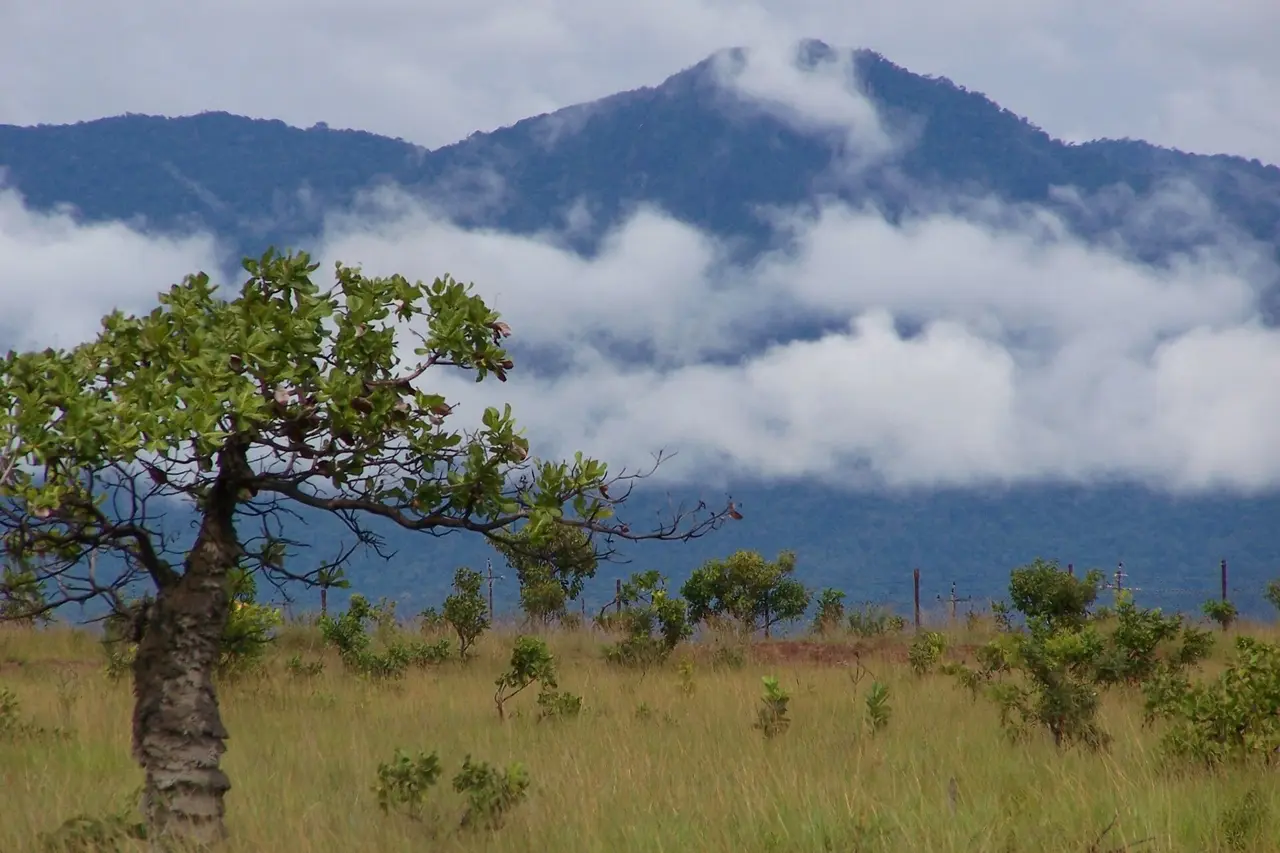
The Kanuku Mountains seen from near Lethem
In short
The South Rupununi is wide-open ranch country between the Kanuku Mountains and the Brazilian border, with working cattle ranches, Wapishana communities and the border town of Lethem. It suits travelers who want space, horses and fewer visitors.
Below the Kanuku Mountains the Rupununi opens out into some of the emptiest country in South America: a vast grassland dotted with termite mounds and palm-lined creeks, crossed by dirt tracks and worked by ranching families and Wapishana communities for generations. Lethem, on the Takutu River opposite Brazil, is the only town of any size.
Ranch stays
The South Rupununi’s working ranches are its main draw for visitors. A ranch stay typically combines:
- Horse riding with local vaqueros across open savannah and along cattle trails.
- Savannah and river trips for birds, capybara, caiman and, with luck, giant anteaters.
- Swimming and canoeing in rivers and creeks.
- Ranch life, from cattle work to evenings on the veranda.
Ranches here are family-run, with a small number of rooms or cabins, shared meals and rustic comfort. Some combine tourism with conservation and research.
The Kanuku Mountains
The Kanukus rise in a forested range across the middle of the Rupununi and are one of Guyana’s protected areas. They are known for high biodiversity, including many bird species. Most visitors see them from the savannah; hiking into the range is possible with local guides and adds a forest element to a savannah trip.
Lethem
Lethem is a functional border town with a small airport, shops and a road bridge to Bonfim in Brazil. It is the gateway rather than the destination, though over Easter weekend it hosts the Rupununi Rodeo, a celebration of the region’s ranching culture.
Who the South Rupununi suits
The South rewards travelers with time. Transfers are long, distances are big and the experience is less about checking off sights than about space, horses and people. It is a strong choice for a second visit, for riders, and for anyone extending a North Rupununi trip. For the trade-offs, see North or South Rupununi.
Seasons
The dry season (broadly September to April) is the easiest time for overland travel. In the wet season (roughly May to August) the savannah floods, some tracks become impassable and ranch activities change. We plan routes around the conditions on your dates.
Questions travelers ask
Do I need to ride to enjoy a ranch stay?
No. Horse riding is a highlight at ranches, but stays also include savannah drives, river trips, birding, swimming in creeks and simply time on a veranda with an enormous view. Riding is offered at a pace that suits your experience.
Is the Rupununi Rodeo worth planning around?
If you are in Guyana at Easter, yes. The rodeo in Lethem is a big regional event with bull riding, horse racing and roping. Accommodation in Lethem is limited that weekend, so plan well ahead.
Can I cross into Brazil from Lethem?
Lethem is a border town linked by bridge to Bonfim in Brazil. Crossing involves immigration formalities on both sides and Brazil’s own entry rules for your nationality. Tell us early if a crossing is part of your plans.
Sources and checks
Time-sensitive details on this page (prices, schedules, entry rules, access) were last checked against the sources below on 9 October 2026. They change, so your proposal always reconfirms them.
Tell us what you want from Guyana
Share your dates, interests and the pace you enjoy. We reply with suggestions and, when you are ready, a written proposal with the route, prices, inclusions and who provides each part of the trip.