Karanambu and Yupukari: giant otters and black caiman
Planning the Central Rupununi: Karanambu for giant otters and giant anteaters, Caiman House at Yupukari for black caiman research, access by air and river, and timing.
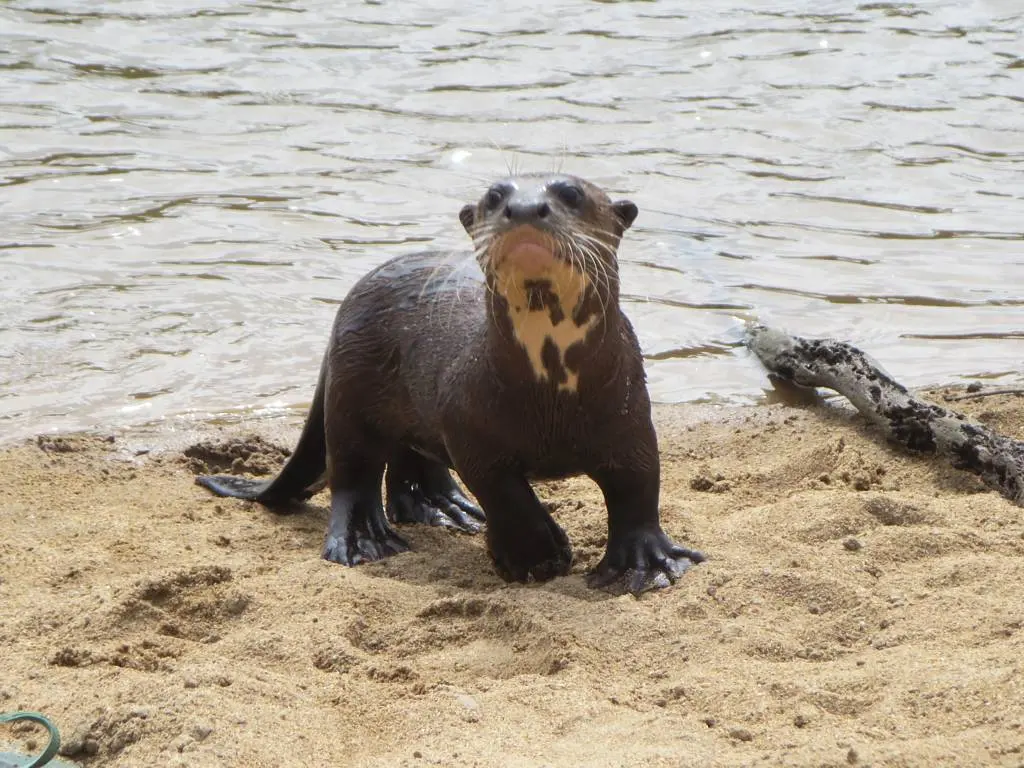
Giant river otter by the Rupununi River at Karanambu
In short
The stretch of the Rupununi River around Karanambu and Yupukari is the best area in Guyana for giant otters, giant anteaters and black caiman. Two nights at each is ideal, reached by light aircraft or by road and boat.
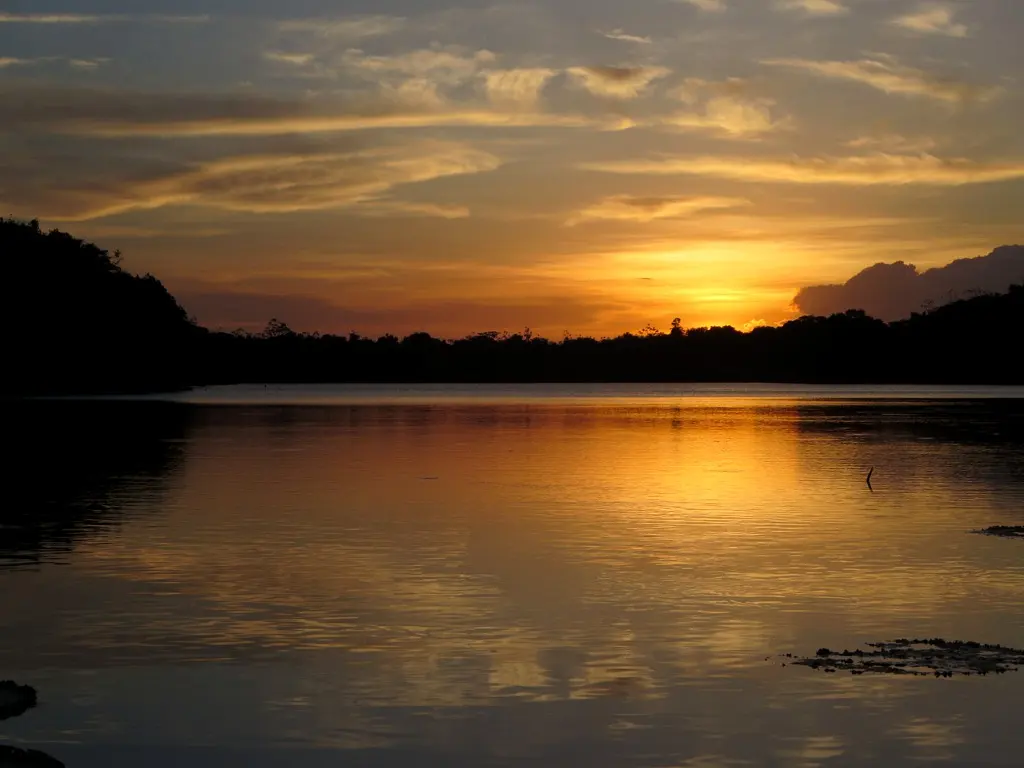
South of Annai, the Rupununi River winds through open savannah fringed by gallery forest, oxbow ponds and wetlands. This is Guyana’s classic wildlife country, and two places on the river are the reason many people come.
Karanambu
Karanambu is a former cattle ranch covering a large area of savannah, ponds and river, long associated with the conservationist Diane McTurk and her work rehabilitating orphaned giant otters. Today it is a lodge and conservation area with a strong focus on wildlife.
A stay at Karanambu usually includes:
- River trips at dawn and dusk for giant otters, birds and black caiman.
- Giant anteater searches on the savannah in the early morning.
- Giant water lilies (Victoria amazonica, Guyana’s national flower) on nearby ponds, which open at dusk.
- Birding across savannah, forest edge and wetland habitats.
Karanambu has its own airstrip, served by light aircraft from Ogle, and is also reachable by road and river.
Yupukari and Caiman House
Yupukari is a Makushi village a short distance from Karanambu. Caiman House is a community-owned field station and lodge that grew out of long-running research on the black caiman, the largest predator in the Amazon basin. Guests have been able to join night research trips, and the lodge’s income supports community projects, including a public library. Caiman House is a place to learn as well as to watch wildlife.
How long to stay
Two nights at Karanambu gives you two dawns and two dusks on the river, which matters for wildlife. Add one or two nights at Yupukari. Short on time? Prioritise Karanambu and visit Yupukari as a day trip if it can be arranged.
Timing and water levels
During the dry season, from roughly September to April, rivers drop, sandbanks appear and wildlife concentrates on the remaining water, which generally makes it easier to see. In the wet season (broadly May to August), the savannah floods, boats can go further and the landscape is green, but wildlife is more dispersed and travel can be slower.
Getting there
Most travelers arrive by light aircraft (scheduled stops or charter) or by road and river from Annai to the north or Lethem to the south. Karanambu sits neatly between the North Rupununi and the South Rupununi, so it fits into almost every Rupununi route.
Questions travelers ask
How likely am I to see giant otters?
Giant otters live along this stretch of the Rupununi and are seen regularly on dawn and dusk river trips, but they are wild animals and sightings vary by season and water level. Two nights at Karanambu gives you several chances.
Can I join the black caiman research at Caiman House?
Caiman House has offered guests the chance to accompany night-time work in which caiman are captured, measured and released. Whether it runs during your stay depends on the research programme and conditions, so we confirm it when we plan your dates.
What is a giant anteater walk like?
Early in the morning, guides drive or walk out onto the savannah to look for anteaters foraging. It involves an early start and some walking in open grassland, and when it works it is one of the best wildlife encounters in South America.
Sources and checks
Time-sensitive details on this page (prices, schedules, entry rules, access) were last checked against the sources below on 9 October 2026. They change, so your proposal always reconfirms them.
Tell us what you want from Guyana
Share your dates, interests and the pace you enjoy. We reply with suggestions and, when you are ready, a written proposal with the route, prices, inclusions and who provides each part of the trip.