Community-led stays in Indigenous villages
How community-led tourism works in Guyana’s Rupununi: lodges owned by Indigenous communities, what a stay includes, respectful conduct, photography and consent.
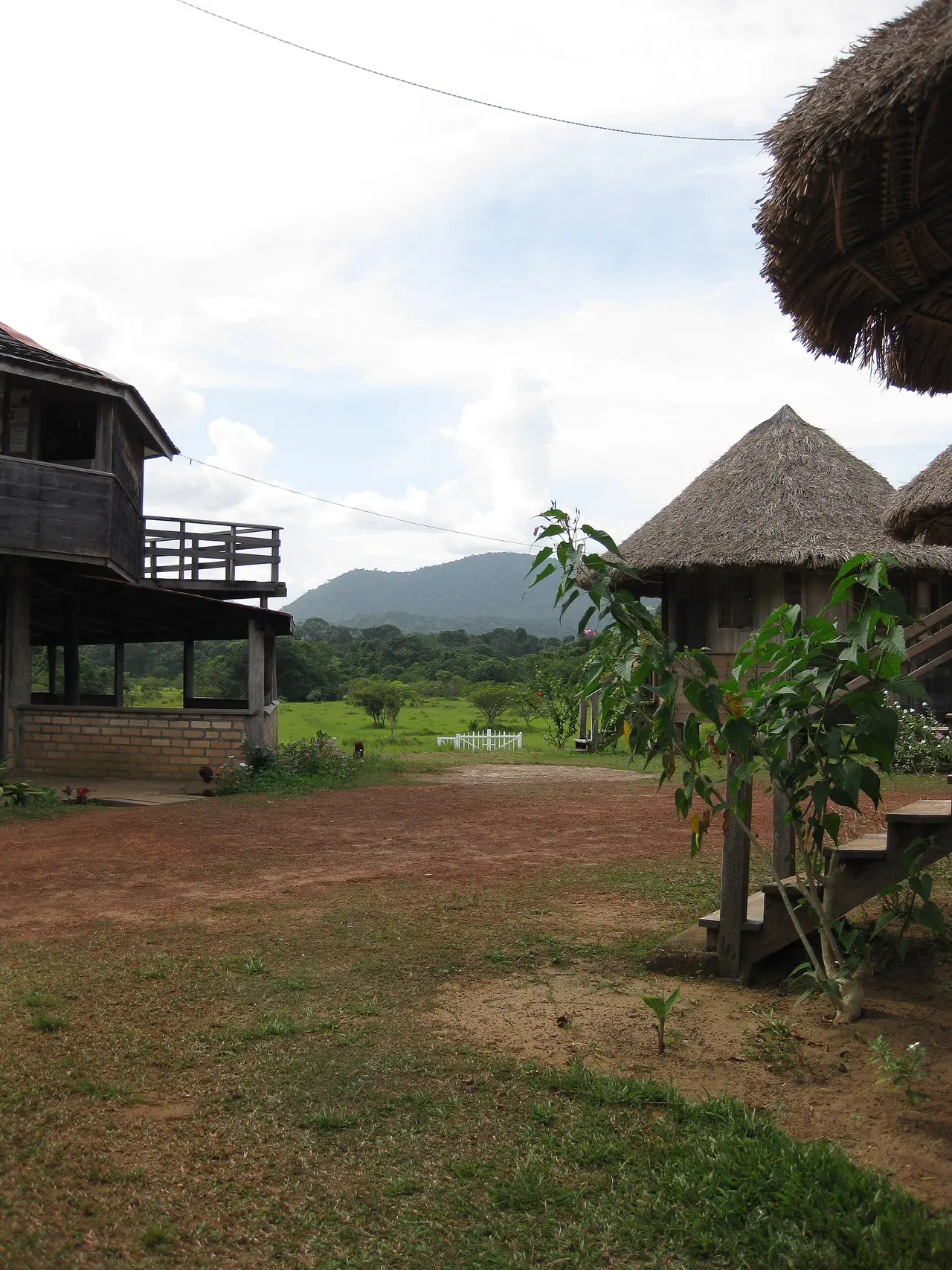
Surama Eco-Lodge in the North Rupununi
In short
Several Indigenous communities in the Rupununi own and run their own lodges and guiding, including at Surama, Rewa and Yupukari. Staying with them means local guides, simple comfort and income that stays in the village.
Guyana’s Indigenous peoples, nine nations in all, live across the interior, and in the Rupununi several communities have developed tourism on their own terms. The model is simple: the community owns the lodge, employs its own guides, cooks and boat drivers, and decides what visitors see and do. For travelers, that means hosts who know the land intimately and a stay whose income stays local.
What a community stay looks like
At Surama, guests stay in cabins at the community’s eco-lodge, walk forest trails with village guides, climb Surama Mountain at dawn, paddle the Burro Burro River and spend time in the village. At Rewa, the community lodge is the base for river trips, forest hikes and catch-and-release fishing. At Yupukari, Caiman House combines a lodge with conservation research and community projects such as the village library.
Comfort is simple and good: private rooms or cabins, mosquito nets, shared meals and limited power. Hospitality is warm rather than formal.
Visiting respectfully
- Follow your guide. They know what is appropriate and when.
- Ask before photographing people, and respect a refusal.
- Dress modestly in villages, especially in schools and churches.
- Buy crafts directly when offered; it is one of the most direct ways to contribute.
- Do not hand out gifts or sweets to children. If you want to contribute, ask your hosts what would help.
Amerindian Heritage Month
September is Amerindian Heritage Month in Guyana, with events across the country celebrating Indigenous culture. It can be a rewarding time to travel, though specific events and locations change each year and need confirming close to the date.
How we approach it
We arrange community stays only through the communities’ own lodges and guiding, describe experiences accurately, and avoid anything that treats people as an attraction. If an experience is not offered by the community itself, we do not arrange it.
Questions travelers ask
Is it appropriate to visit Indigenous villages as a tourist?
When the community has chosen to host visitors, runs the experience itself and sets the terms, yes. We only arrange community visits through the community’s own lodge or guides, never unannounced drop-ins.
Can I photograph people in the village?
Always ask first and accept a no gracefully. Landscapes and wildlife are fine; people, homes, ceremonies and children need permission. Your guide will tell you what is welcome.
Are cultural performances staged for tourists?
Some lodges share songs, food or crafts with guests in ways the community has chosen. We describe these honestly in your proposal and avoid anything presented as a spectacle.
Sources and checks
Tell us what you want from Guyana
Share your dates, interests and the pace you enjoy. We reply with suggestions and, when you are ready, a written proposal with the route, prices, inclusions and who provides each part of the trip.