Wildlife trips: giant otters, anteaters and caiman
Where and how to see Guyana’s headline wildlife: giant otters, giant anteaters, black caiman, capybara and the chance of jaguar, with realistic expectations and timing.
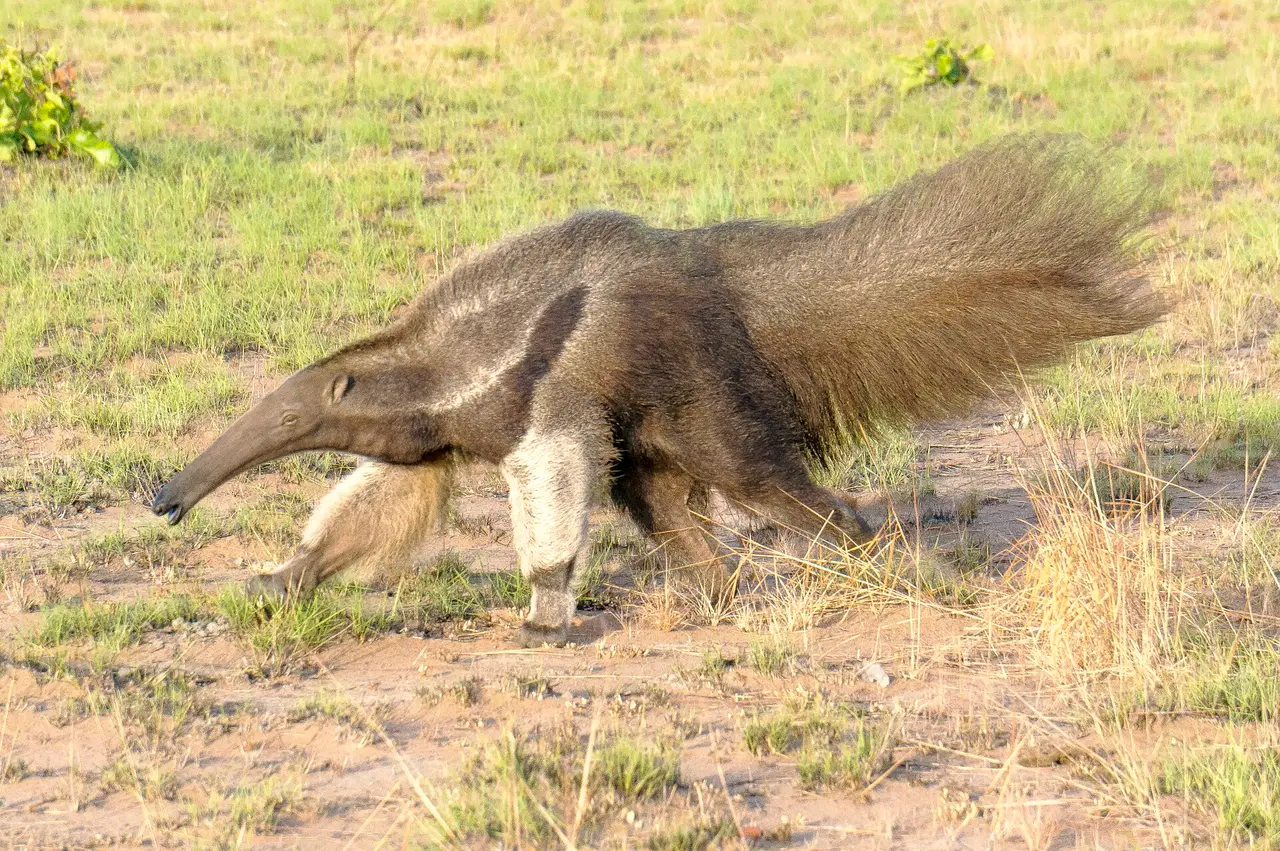
Giant anteater on the savannah at Karanambu
In short
Guyana’s best wildlife viewing is on the Rupununi rivers and savannahs, where giant otters, giant anteaters and black caiman are seen regularly with good guides. Nothing is guaranteed, so we plan enough dawns and dusks to give you real chances.
Guyana is one of the few places in South America where you can watch some of the continent’s strangest large animals in open country, without crowds of other vehicles. The trick is knowing where each species is most reliably seen and giving yourself enough time there.
Where each species is most likely
| Species | Best areas | How you look for it |
|---|---|---|
| Giant otter | Rupununi River around Karanambu; Burro Burro River near Surama; Rewa | Quiet boat trips at dawn and dusk |
| Giant anteater | Savannah around Karanambu and in the South Rupununi | Early morning drives and walks |
| Black caiman | Rupununi River and oxbow ponds | Evening and night boat trips; research outings at Yupukari |
| Capybara | Rivers and wetlands across the Rupununi | Boat trips, savannah drives |
| Jaguar | Iwokrama road and rivers | Luck, patience and time on the road at dawn |
| Harpy eagle | Forest around Surama and Iwokrama | Visits to known nests when active |
Why time matters more than distance
Wildlife watching here rewards repetition. Each additional dawn on the river is another chance, and animals that were absent one morning are often there the next. A trip that visits six places for one night each will see less than a trip that spends two or three nights in the right three places. We explain this trade-off in few bases or many stops.
Guides make the difference
Rupununi guides grow up reading the savannah and the river. They know where otter families den, which ponds caiman favour as the water drops and what an anteater’s feeding sign looks like. Your proposal names who guides each activity.
Realistic expectations
We will not promise sightings. What we can do is put you in the places with the best track records, in the right season, with enough dawns and dusks to make good sightings likely rather than lucky. For photographers, see Guyana for wildlife photographers.
Questions travelers ask
What are my chances of seeing a jaguar?
Low but real. Jaguars are seen along the Iwokrama road and Rupununi rivers more often than in many places, but most visitors do not see one. We never sell a trip on a jaguar sighting.
When is the best season for wildlife?
The dry season, roughly September to April, is generally best because animals concentrate around shrinking rivers and ponds. The wet season has other rewards, including green landscapes and flooded savannah, but wildlife is more spread out.
Are wildlife activities ethical?
We favour lodges and guides who watch animals without baiting, chasing or handling them, with research activities like caiman work led by trained teams. Tell us if you have specific concerns and we will address them in your proposal.
Sources and checks
Tell us what you want from Guyana
Share your dates, interests and the pace you enjoy. We reply with suggestions and, when you are ready, a written proposal with the route, prices, inclusions and who provides each part of the trip.